
BlackRock Eyes Bitcoin ETF Rule Change, Fed's Next Move: What to Expect and more

1.BlackRock Eyes Bitcoin ETF Rule Change

In a bold move that could reshape the cryptocurrency investment landscape, BlackRock has filed for a rule change to enable in-kind Bitcoin redemptions for its iShares Bitcoin ETF. ([CryptoSlate](https://cryptoslate.com/blackrock-files-for-etf-rule-change-to-enable-in-kind-bitcoin-redemptions/?utm_source=chatgpt.com)) This development is poised to simplify ETF operations and potentially reduce tax implications for investors, marking a significant shift from the traditional cash-based redemption process.
However, while this advancement offers promising benefits, it also underscores the rapid evolution and increasing complexity of crypto-related financial instruments. Investors must remain vigilant, balancing enthusiasm with caution, to navigate the nuanced implications of such innovations in the ever-changing crypto market.
2.Fed's Next Move: What To Expect
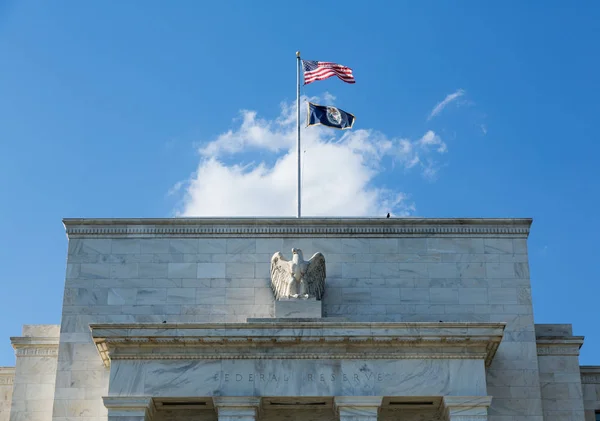
As the Federal Reserve prepares for its upcoming meeting, the financial world holds its breath, anticipating decisions that could ripple through the global economy. The central bank is expected to maintain its key interest rate within the 4.25% to 4.50% range, a move reflecting caution amidst persistent inflation and a resilient labor market.
This decision underscores the Fed's delicate balancing act: fostering economic growth while keeping inflation in check. With inflation still above the desired 2% target and the job market showing strength, the Fed's patience is both prudent and necessary. However, the looming uncertainty of new economic policies under President Donald Trump adds a layer of complexity to the economic outlook. The central bank's measured approach aims to navigate these uncertainties without stifling growth or fueling further inflation.
3.Musk Taps Blockchain To Cut US Spending: Report

Elon Musk exploring blockchain to rein in U.S. government spending is a bold, futuristic idea with a pragmatic edge. The concept of using a decentralized ledger to track and enforce spending limits isn’t just innovative—it’s disruptive. Imagine a transparent system where every dollar spent is accounted for, removing bureaucratic inefficiencies and, potentially, corruption. It’s a move that could restore public trust in fiscal policy, but it’s not without challenges. Blockchain’s implementation at this scale would require unprecedented collaboration between tech innovators and policymakers, a relationship that often feels like oil and water.
Yet, Musk’s idea taps into a growing frustration many share: the perception of government spending as unchecked and unaccountable. If executed, it could mark a turning point in how governments interact with money—an evolution toward accountability that tech is uniquely positioned to drive. This isn’t just about blockchain; it’s about redefining trust in systems that shape our future.
Follow us on X and let's have discussion!
https://t.co/8kqIuk6AeZ - BlackRock Eyes Bitcoin ETF Rule Change https://t.co/KLTSqimrYJ pic.twitter.com/1TrAtxRqOY
— immoderatio (@immoderatio) January 25, 2025
https://t.co/8kqIuk6AeZ - Fed's Next Move: What to Expect https://t.co/tAKTtXWWxW pic.twitter.com/ng1ykAVQ6J
— immoderatio (@immoderatio) January 25, 2025
https://t.co/8kqIuk6AeZ - Musk Taps Blockchain To Cut US Spending https://t.co/IKCT91k52Y pic.twitter.com/3YcASNTDW2
— immoderatio (@immoderatio) January 25, 2025