Trump’s Bold Economic Moves Planned for Day One, Trump’s Memecoin Soars To $30B, Stirring Chaos and more

1.Trump’s Bold Economic Moves Planned for Day One
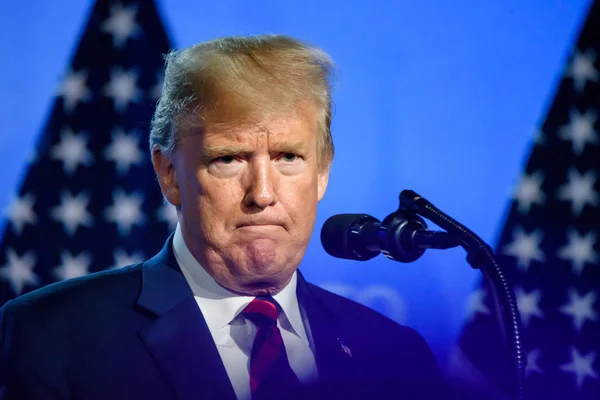
As President Donald Trump assumes office today, his ambitious agenda is set to reshape the U.S. economic landscape dramatically. Among his immediate plans are the initiation of a broad deportation program targeting immigrants, the imposition of a 25% tariff on all products from Mexico and Canada, and a 10% tariff on Chinese products to combat fentanyl smuggling. While these measures aim to bolster domestic industries and address pressing issues, they carry significant risks. The proposed tariffs, for instance, could lead to increased consumer costs and fuel inflation, potentially straining the wallets of everyday Americans.
Moreover, the planned deportation program may disrupt sectors heavily reliant on immigrant labor, such as homebuilding, leading to labor shortages and project delays. As we stand on the cusp of these sweeping changes, it's crucial to consider the broader implications. While the intention is to strengthen the nation's economy and security, the potential for unintended consequences looms large. The path ahead requires careful navigation to balance the pursuit of national interests with the realities of a globally interconnected economy.
2.Trump’s Memecoin Soars To $30B, Stirring Chaos
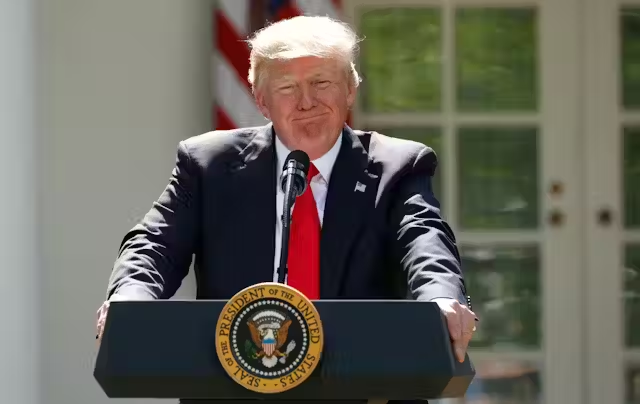
In an astonishing turn of events, President-elect Donald Trump's launch of the $TRUMP memecoin has sent shockwaves through the financial world, catapulting to a market capitalization of over $30 billion within hours. This meteoric rise, while exhilarating for early investors, raises profound concerns about the intertwining of political influence and financial ventures.
The concentration of 80% of the token's supply in entities linked to the Trump Organization not only poses potential market manipulation risks but also blurs ethical boundaries. As Trump prepares to assume office, the timing of this launch invites scrutiny and skepticism, highlighting the urgent need for clear regulations to prevent conflicts of interest and protect the integrity of both political and financial systems.
3.TikTok to Resume US Operations After Trump Agreement
When TikTok’s service was restored in the U.S. following assurances to then-President Trump, it wasn’t just a victory for a social media platform—it was a vivid demonstration of how geopolitics now bleeds into our digital lives. The relief from a looming ban felt like a reprieve for millions of creators and businesses whose livelihoods hinged on the app. But beneath the surface, this wasn’t just about a platform; it was about power. The move to allow TikTok to operate again underscored how technology companies are pawns in larger strategic games, used to signal dominance or vulnerability in the broader contest between nations.
This moment also revealed the fragility of modern connectivity. One executive decision could have unraveled years of digital community-building, sparking anxiety for those who depend on these platforms. TikTok’s comeback wasn’t just a sigh of relief; it was a wake-up call about the uncertainty of our digital infrastructure. In a world where apps are at the mercy of international politics, we must ask ourselves: How secure is the ground we stand on when it’s controlled by forces beyond our reach?